Infrastructure automation
Using PowerShell, REST APIs, GitHub workflows, and service integrations to remove repetitive work and make routine changes safer.
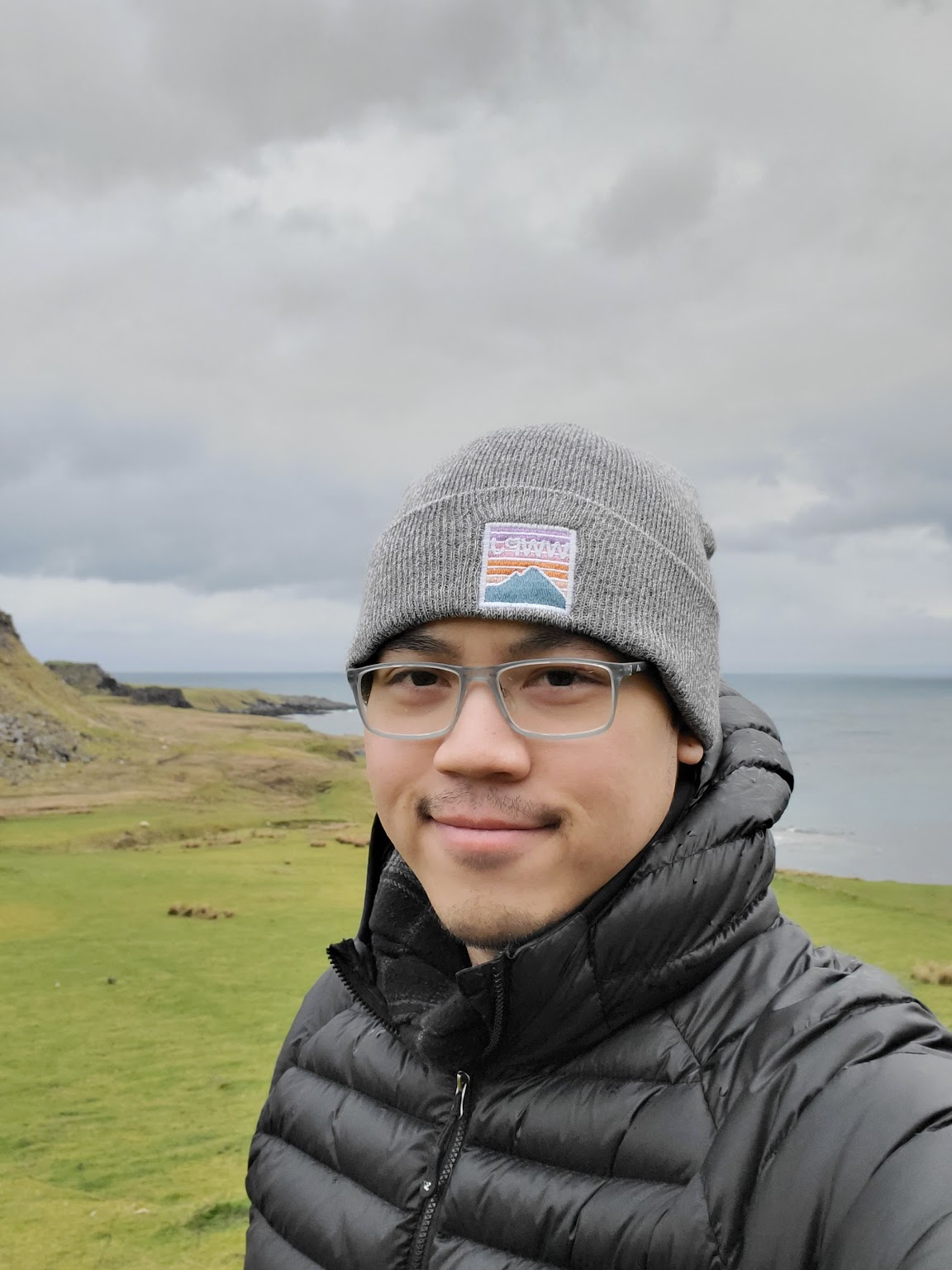
Platform & Infrastructure Engineer
I work at the intersection of infrastructure, operations, automation, and platform engineering. The work mixes production systems with infrastructure automation, agentic workflows, practical AI tooling, monitoring, cost, migrations, and the careful changes that help teams move without making systems harder to support.
I started in service desk and Tier 2 support, which gave me a useful bias: systems are only as good as the people who have to operate them at 2am, explain them during an incident, and improve them afterward. That experience still shapes how I design infrastructure.
I still spend plenty of time close to individual servers and the real production systems around them. The broader pattern in my work is building tooling around that hands-on work: automation, health checks, observability, integrations, self-service workflows, and guardrails.
I work comfortably across Windows and Linux, Azure and hybrid environments, SQL Server, PowerShell, REST APIs, Datadog, ServiceNow, ManageEngine, GitHub, and the operational glue between them.
The common thread is practical infrastructure work: make the system easier to operate, easier to understand, and less dependent on tribal memory.
Using PowerShell, REST APIs, GitHub workflows, and service integrations to remove repetitive work and make routine changes safer.
Exploring AI agents like OpenClaw, Claude Code, and Codex, plus Graphify, GraphRAG, knowledge graphs, and MCP integrations that extend AI context across code, docs, runbooks, incidents, APIs, and tribal knowledge.
Designing monitoring around useful signals, service context, and the questions teams ask during incidents, while tracking when OpenTelemetry collector patterns make sense.
Building repeatable paths around deployment, configuration, documentation, ownership, and guardrails so teams do not rediscover the same procedures every time.
My default approach is to understand the system first, then automate the parts that should not depend on memory, heroics, or someone being online.
If the same ticket, checklist, or escalation happens often, it is probably asking to become a tool.
A good fix should make the next engineer faster, not just close the immediate issue.
OpenTelemetry gives teams a strong common language for telemetry. The architecture still has to turn that data into faster triage, clearer ownership, and better change decisions.
The best automation is boring enough that someone else can trust it, debug it, and extend it later.
The projects are where the pattern is easiest to see: practical tools, real constraints, and systems that have to be understandable after the first build.
A local-first DuckDB warehouse that normalizes Garmin, lab, scale, genetics, and manual notes so personal health data can be queried across sources instead of trapped in separate apps.
Read the write-upA scheduled deal-notification pipeline that computes sports-triggered offers from authoritative APIs, dedupes until expiry, audits coverage, and formats high-trust WhatsApp alerts.
Read the write-upA small storefront-style playground for OpenTelemetry, traces, API behavior, and observability experiments without needing a production app as the test bed.
Open playgroundA family project to digitize a Vietnamese tile game, which means translating real house rules, fuzzy memory, and player expectations into a working interactive system.
View project noteThe areas I come back to most often are Microsoft-heavy infrastructure, hybrid cloud, observability, automation, and the operational details that make those systems supportable.
Windows Server, Linux, IIS, Active Directory, SQL Server, Azure, hybrid environments, identity, migrations, and production operations.
PowerShell, REST APIs, GitHub workflows, ServiceNow, ManageEngine, scheduled jobs, data normalization, and workflow glue.
Datadog, OpenTelemetry, logs, metrics, traces, service context, documentation systems, local LLMs, knowledge graphs, and GraphRAG.
Outside of work, I spend a lot of time with family, stay active, and like trips that are full and hands-on. That has included an overnight cave expedition in Vietnam, motorbiking and scuba diving in Thailand, and plenty of travel that involves movement rather than just checking in somewhere.
I am learning to play guitar and like the slow, imperfect process of building a new skill. LCD Soundsystem and The Strokes are frequent go-tos. For staying active, I tend to dabble and explore: tennis, jiu jitsu, wrestling, and more recently, pickleball.